
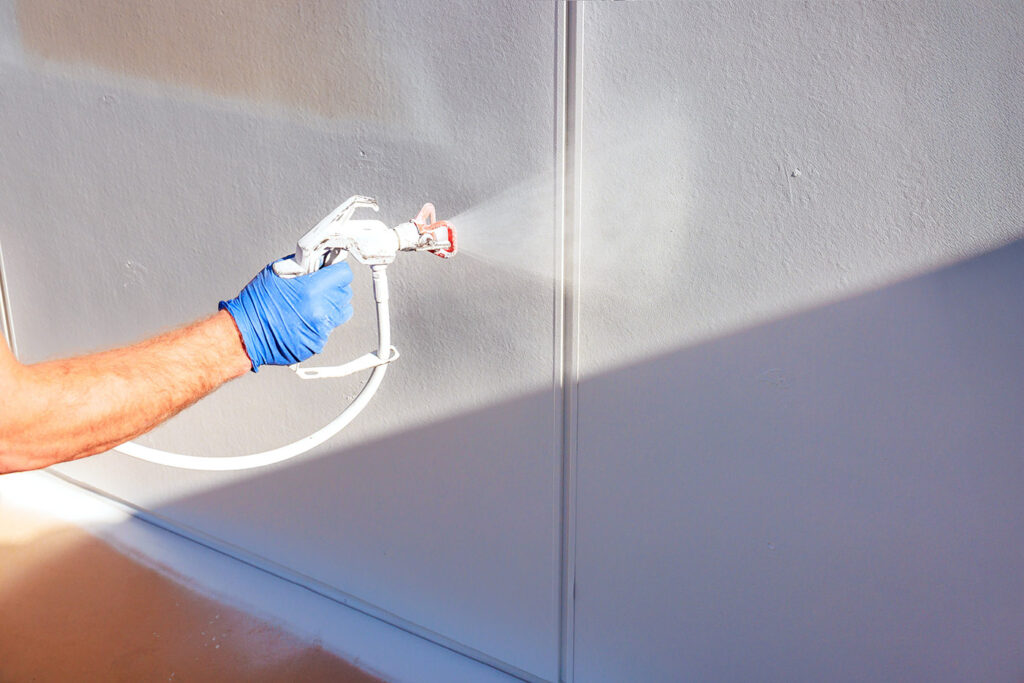
The best time for exterior painting in Ontario is usually late spring through early fall, when daytime temperatures are steady, surfaces are dry and the forecast is cooperative. In the GTA, exterior paint weather matters as much as colour choice: temperature swings, humidity, rain and direct sun all affect adhesion, coverage and curing time.
The best time for exterior painting in Ontario is typically from late spring to early fall, depending on temperature, moisture and the condition of the surface. For most homes and low-rise buildings in Toronto, Vaughan, Mississauga, Brampton, Markham and Richmond Hill, the safest window is when daytime and overnight temperatures stay consistently within the product’s recommended range and the surface has time to dry properly.
That said, there is no single perfect week for every project. The right timing depends on siding material, sun exposure, recent rain, prep requirements and whether repairs are needed before paint goes on.
Best time for exterior painting in Ontario
In Ontario, the most reliable exterior painting season usually runs from about May to September, sometimes stretching into October if temperatures remain stable. The goal is not just warm air, but dry surfaces, moderate humidity and enough time for primer and paint to cure without sudden weather changes.
Why timing matters so much outdoors
Exterior coatings do more than add colour. They need to bond to wood, stucco, brick, metal or previously painted surfaces while standing up to UV exposure, humidity, wind-driven rain and Ontario’s freeze-thaw cycle.
If paint is applied too early in spring or too late in fall, it may dry unevenly or cure more slowly than expected. Even when the surface looks dry, trapped moisture can affect adhesion and may shorten the life of the finish.
What months usually work best
For many properties, the most dependable period is late spring through early fall. July and August often offer strong drying conditions, but very hot direct sun can also create problems on some surfaces, especially darker colours and south-facing walls.
- Late spring: Often a good balance of moderate temperatures and longer daylight, once surfaces are fully dry after winter.
- Summer: Productive for most projects, but crews may need to work around heat, direct sun and afternoon storms.
- Early fall: Often excellent for painting in fall, as long as overnight temperatures do not drop too low and there is enough daylight for drying.
If you are planning work on siding, trim, stucco or masonry, booking early helps. In busy GTA areas, the exterior painting season Ontario homeowners prefer tends to fill up quickly once stable weather arrives.
Temperature for painting outside: what actually matters
The temperature for painting outside is not just the afternoon high. What matters is the full weather pattern: daytime warmth, overnight lows, humidity, wind, dew point and whether the surface itself is hotter or colder than the air.
Air temperature vs. surface temperature
A wall in direct sun can be much hotter than the forecasted air temperature, while shaded areas may stay cool and damp longer. This is why experienced painters check the actual surface condition before starting, not just the weather app.
Most exterior products have a manufacturer-recommended application range. Some can handle cooler conditions than older formulas, but that does not mean every wall is ready to paint. Wood, stucco and masonry all behave differently, and prep may include washing, scraping, sanding, patching and primer before the finish coats begin.
Exterior paint weather checklist
Good exterior paint weather usually means:
- Stable daytime temperatures within the product’s recommended range
- Overnight lows that do not drop sharply
- Dry surfaces with no recent rain trapped in the material
- Moderate humidity, so drying is not delayed
- No rain expected during application and early curing time
- Manageable wind, especially around spray application or fine dust from prep
This is one reason professional scheduling may shift by a day or two. A dry, steady forecast often matters more than rushing to start.
How Ontario weather affects different surfaces
| Surface | Weather concern | Typical timing note |
|---|---|---|
| Wood siding or trim | Moisture absorption, expansion and contraction | Needs dry conditions and careful prep before primer |
| Stucco | Can hold moisture longer after rain | Often needs extra drying time before coating |
| Brick | Porous surface, temperature swings | Surface condition and coating type matter more than the calendar |
| Metal | Heats up quickly in direct sun | Best painted during cooler parts of the day |
If you are unsure whether your siding or masonry is ready, a professional exterior painting assessment can help identify moisture, peeling layers and prep needs before the job begins.
Spring, summer or painting in fall: which season is best?
Each part of the season has advantages and trade-offs. The best time for exterior painting depends on how your property sits, how much repair work is needed and how flexible your schedule is.
Spring: good for early scheduling, but watch for lingering moisture
Spring is often ideal once temperatures settle and surfaces are fully dry. After winter, many Ontario homes need scraping, caulking, spot priming and wood repair before finish coats can go on.
This is also a practical time to deal with related issues such as damaged soffits, trim boards or minor wall defects. If exterior work is tied to interior touch-ups after leaks or moisture problems, drywall repair and painting may need to be planned alongside the exterior schedule.
Summer: efficient, but not always easiest
Summer offers long days and generally predictable working conditions, but strong sun and high heat can make application harder. Paint may dry too quickly on hot walls, which can affect lap marks, coverage and overall finish consistency.
Crews often work around the sun by starting on shaded elevations first. This is especially useful on darker colours, broad siding runs and trim details that need clean cut-in lines.
Fall: often excellent, if temperatures stay steady
Painting in fall can work very well in Ontario because cooler daytime conditions may be easier on both surfaces and coatings. The main risk is that nights become colder, dew forms earlier and the safe painting window gets shorter.
For homes, rental properties and small commercial buildings, early fall is often a smart time to refresh curb appeal before winter. If you manage a multi-unit or shared property, timing may also need to fit access rules and resident notice requirements, similar to other apartment and condo painting projects.
Older homes deserve extra caution during prep. Disturbing old coatings may create health risks if lead is present, and Health Canada provides general guidance at canada.ca. If your home predates the 1960s or has multiple old paint layers, testing by a qualified professional is the safer first step.
When you are comparing dates for a project, it helps to get a site-specific opinion rather than relying on the calendar alone. Walls Master can review wall photos or arrange a free painting estimate based on your surface type, prep needs and the forecast window available.
How timing affects project cost and scheduling
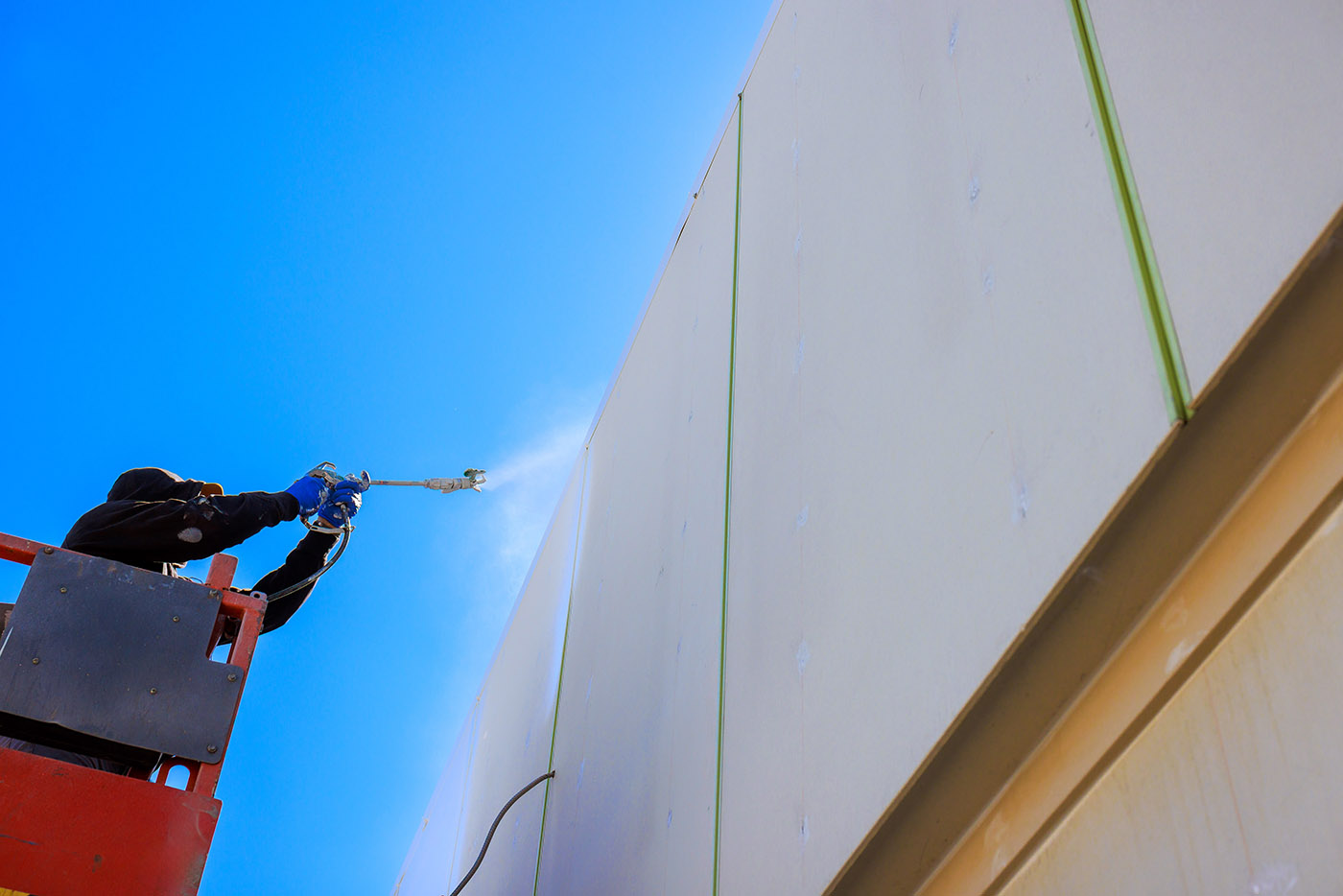
The best time for exterior painting is not only about weather. It also affects labour planning, access, prep time and how many workable days are available in a row. In Ontario, pricing may shift depending on surface condition, project size and how efficiently the work can move between prep, primer and finish coats.
What usually affects the price most
For exterior jobs, square footage is only one part of the estimate. The bigger cost drivers are often preparation, repairs and the number of details that need careful cut-in work.
- Surface preparation: scraping, sanding, washing, caulking and spot priming
- Condition of the substrate: peeling paint, soft wood, cracks in stucco or failed caulking
- Height and access: ladders, lifts, tight side yards and steep grades
- Number of coats: colour changes, porous surfaces and patchy existing finishes may need more coverage
- Trim complexity: windows, doors, railings, soffits and decorative details take longer than broad wall areas
If repairs are discovered before painting, that can change the scope. For example, damaged exterior surfaces may need patching, and some interior moisture issues may also call for skim coating and surface smoothing inside before a full refresh is complete.
Busy season vs. flexible scheduling
The exterior painting season Ontario property owners aim for tends to book up early, especially in Toronto, Vaughan, Mississauga, Brampton, Markham and Richmond Hill. If your schedule is flexible, you may have more options for start dates and staging, particularly for larger homes or multi-unit properties.
Commercial properties may also need work timed around customer traffic, tenant access or after-hours requirements. That is one reason many owners combine exterior planning with broader office and retail painting schedules instead of treating the outside separately.
Typical timeline from estimate to final walkthrough
Most exterior projects follow a simple sequence: estimate, prep, primer, paint and review. The exact timeline may vary by surface, repairs, weather delays and curing time, but a clear process helps avoid rushed decisions and uneven results.
Step-by-step process
- Estimate and site review: The contractor reviews square footage, access, existing coating condition and any repair needs.
- Colour and finish selection: Homeowners choose colour, sheen and product type suitable for siding, trim or masonry.
- Protection and prep: Landscaping, walkways, windows and fixtures are protected before washing, scraping, sanding and patching.
- Repairs and primer: Bare areas, patched spots and problem surfaces are primed as needed.
- Finish coats: Paint is applied in the proper sequence, often working around shade and surface exposure.
- Touch-ups and walkthrough: Final corrections are completed and the site is checked for clean lines, coverage and cleanup.
How long drying and curing may take
Dry-to-touch and fully cured are not the same thing. Exterior coatings may feel dry within hours, but curing time can take longer depending on product type, temperature, humidity and airflow.
This matters for doors, railings, shutters and other high-contact surfaces. It also matters after rain delays, because even when the forecast improves, the substrate still needs time to release moisture before recoating.
Quick comparison: homeowner timing options
| Approach | Best for | Main trade-off |
|---|---|---|
| Book early in the season | Owners who want first choice of dates | Spring conditions may still require extra drying time |
| Mid-season scheduling | Steady production on large exterior areas | Hot sun may narrow daily working hours |
| Early fall scheduling | Curb appeal updates before winter | Cool nights can shorten the safe work window |
DIY mistakes that often cause exterior paint problems
The most common exterior failures come from poor prep, not just bad luck with weather. If you are deciding between DIY and professional help, the key question is whether you can control moisture, surface condition and application timing well enough for a lasting finish.
Common issues homeowners run into
- Painting over chalky or dirty surfaces: this can reduce adhesion
- Skipping primer on bare or repaired areas: coverage may look uneven and patches can flash through
- Using the wrong sheen: too much gloss may highlight defects, while very flat finishes may mark more easily on some trim details
- Underestimating repairs: cracked caulking, soft trim and failed joints need attention before paint
- Rushing touch-ups: small corrections done under different conditions may stand out later
Another mistake is treating all exterior surfaces the same. Wood, stucco, brick and metal each respond differently to moisture and temperature. Where walls are rough or previously patched, related interior finishing issues such as drywall mud ridges or uneven plaster may also suggest a broader surface review, especially in older Ontario homes.
When it makes sense to hire a professional
Professional help is usually worth it when the home has height challenges, peeling layers, repair work or a narrow weather window. It also helps when you want a coordinated finish between exterior surfaces and other upgrades, such as a custom feature wall or printed mural inside after the outside refresh is complete.
For pre-1960s houses, prep should be approached carefully because old coatings may contain lead. If you suspect lead paint, have it assessed by a qualified professional rather than sanding or scraping it yourself. Good ventilation and safe containment also matter when using low-VOC or standard coatings around occupied homes.
Planning your project with confidence
The best time for exterior painting comes down to more than a warm forecast. You want a workable schedule, solid surface preparation, the right primer and finish for the material, and enough stable weather for proper drying and curing. That is why the best time for exterior painting may differ slightly from one property to the next, even within the same week.
If you are planning work in Toronto, Vaughan, Mississauga, Brampton, Markham or Richmond Hill, Walls Master can help you assess timing, prep and scope before the season gets busy. We handle painting, drywall and wall printing across the GTA. For a practical quote, book a free estimate or send wall and exterior photos for a quick review.
Frequently Asked Questions
What is the best time for exterior painting in Ontario homes?
The best time for exterior painting in Ontario is typically late spring through early fall. The safest window is when daytime and overnight temperatures stay within the paint product’s recommended range, surfaces are dry, humidity is moderate and there is no rain expected during application or early curing.
What temperature is too cold for painting outside in the GTA?
The temperature for painting outside depends on the specific coating, but cold nights can be a problem even if the afternoon feels warm. Painters look at air temperature, surface temperature, humidity, dew and overnight lows because paint may dry slowly or bond poorly when conditions change too sharply.
Is painting in fall a good idea before winter in Ontario?
Painting in fall can be a good idea if temperatures remain steady and the surface has enough time to dry and cure. Early fall often offers milder exterior paint weather, but shorter days, cooler nights and morning dew can narrow the safe working window for siding, trim and masonry.
How much does exterior painting cost in Toronto or the GTA?
Exterior painting cost varies by project scope, surface condition, access and preparation needs. The biggest price factors are usually scraping, sanding, caulking, repairs, height, trim detail, colour changes and the number of coats required. Walls Master can provide a free estimate from photos or an on-site review.
What should I do before an exterior painting contractor arrives?
Before exterior painting, clear access around walls, trim bushes if needed and move patio furniture, planters and vehicles away from the work area. Point out peeling paint, leaks or soft wood during the estimate. For older homes, suspected lead paint should be tested by a qualified professional before prep begins.
How long does an exterior paint job take to dry and cure?
Exterior paint may feel dry within hours, but full curing can take longer depending on the product, temperature, humidity, airflow and surface material. Doors, railings and shutters may need extra care before heavy use. Rain delays can also extend timing because the substrate must dry before recoating.