
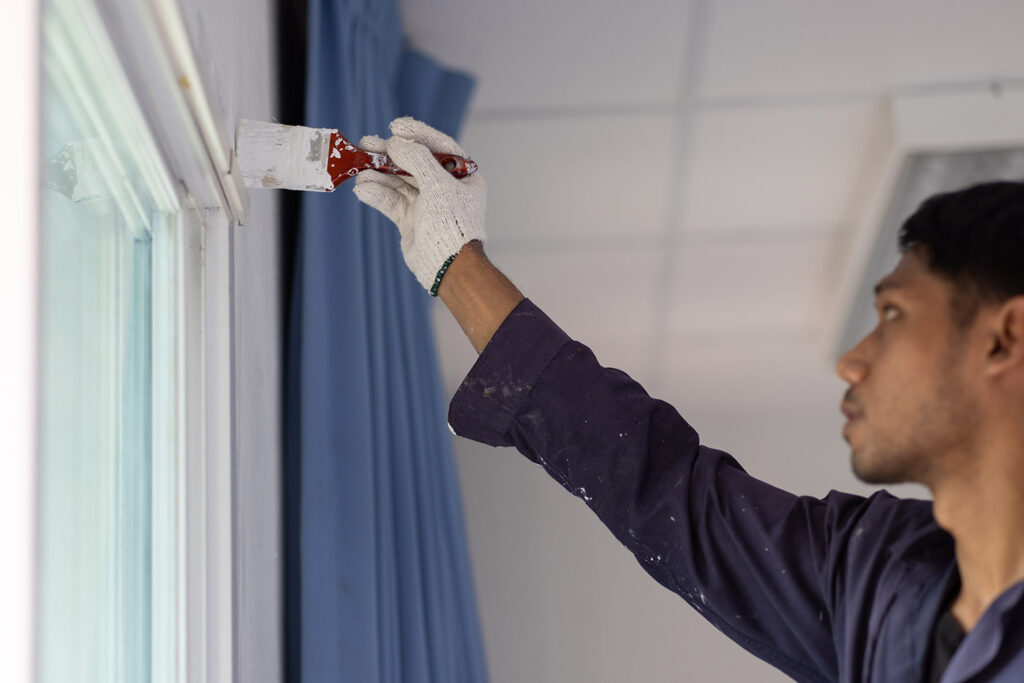
The best paint finish for walls depends on the room, the amount of traffic, moisture levels and how smooth the surface is. This paint sheen guide explains when flat, eggshell, satin and semi-gloss make sense, where each finish may show flaws or clean up better, and how proper surface preparation affects the final look in Ontario homes and commercial spaces.
The best paint finish for walls is usually the one that matches how the room is used, not just the colour you like. In most homes, flat works well for ceilings, eggshell suits many living areas, satin handles busier rooms, and semi-gloss is often reserved for trim, doors and moisture-prone surfaces.
If you are choosing finishes for a house, condo or office in Toronto, Vaughan, Mississauga or elsewhere in the GTA, think about three things first: how much wear the surface gets, how much moisture is in the room, and how visible wall imperfections are. Sheen affects cleanability, light reflection and how much patching, sanding and priming matter before the first coat goes on.
How to choose the best paint finish for walls
The best paint finish for walls is the one that balances appearance, durability and maintenance for that specific room. Lower-sheen finishes hide flaws better, while higher-sheen finishes may clean more easily but can highlight dents, roller marks and uneven drywall work.
What paint sheen actually means
Paint sheen refers to how much light a dried coating reflects. Flat has very little reflection, eggshell has a soft low lustre, satin looks slightly smoother and more washable, and semi-gloss reflects more light and usually stands up better to frequent wiping.
This matters because sheen changes how a wall looks in daylight and under pot lights, sconces or office lighting. On older Ontario plaster walls or repaired drywall, a higher sheen may make every patch, skim coat edge and sanding scratch easier to see.
The three questions to ask before you pick a finish
- How much traffic does the room get? Hallways, kids’ rooms and rental units usually need more washability than formal dining rooms or adult bedrooms.
- Is there moisture or grease? Bathrooms, kitchens and laundry areas often benefit from a finish that handles wiping and humidity better.
- How smooth is the surface? If the wall needs drywall mud touch-ups, a skim coat or stain-blocking primer, a lower sheen may be more forgiving.
That is why finish selection should come after surface preparation, not before. If a wall has nail pops, peeling, old wallpaper adhesive or uneven repairs, the final sheen may look very different from the sample card. For walls that need patching before painting, it often helps to address repairs first with drywall repair and painting services.
Flat, eggshell, satin and semi-gloss compared
This paint sheen guide gives a practical starting point, but the right choice may still vary by product type, lighting and the condition of the surface. The same sheen can look different on new drywall, old plaster, wood trim or previously painted walls.
| Finish | Best use | Main advantage | Trade-off |
|---|---|---|---|
| Flat | Ceilings, low-traffic rooms | Hides surface flaws well | May mark more easily |
| Eggshell | Living rooms, bedrooms, dining rooms | Soft look with moderate cleanability | Less durable than satin in busy areas |
| Satin | Hallways, kids’ rooms, some kitchens and baths | Easier to wipe down | Shows prep issues more than eggshell |
| Semi-gloss | Trim, doors, cabinets, some bathrooms | Durable and moisture-resistant | Highlights imperfections and brush marks |
Flat paint
Flat paint for ceilings is a common choice because it softens surface irregularities and reduces glare from overhead lighting. It also works in adult bedrooms or formal spaces where walls are not touched often and a calm, non-reflective finish is preferred.
The trade-off is maintenance. Flat coatings may scuff more easily and can be harder to clean without affecting the look of the surface, especially in entryways or homes with children and pets.
Eggshell finish
Eggshell is often the safest middle ground for main living spaces. It has a subtle sheen that gives walls a finished look without drawing too much attention to minor defects, which is helpful in older homes with patched plaster or less-than-perfect drywall.
If homeowners ask for the best paint finish for walls in living rooms, family rooms or guest bedrooms, eggshell is often where the conversation starts. It tends to offer a practical balance between appearance and upkeep.
Satin finish
In the eggshell vs satin discussion, satin usually wins on washability and loses a bit on forgiveness. It is a strong choice for hallways, mudrooms, children’s bedrooms and other areas where fingerprints, bags, strollers or frequent contact are part of daily life.
Satin may also work well in some kitchens and bathrooms, depending on ventilation, product type and how smooth the walls are. In rooms with side lighting or visible repairs, more prep may be needed to avoid flashing and uneven sheen.
Semi-gloss paint
Semi-gloss paint is usually best on trim, doors, frames, baseboards and cabinets rather than broad wall areas. It reflects more light, resists moisture better and tends to hold up well where repeated cleaning is expected.
On walls, semi-gloss is more selective. It may suit certain bathrooms, commercial washrooms or utility areas, but it can make every dent, cut-in line and roller lap more noticeable. For cabinet surfaces, the prep and product choice matter just as much as the sheen, especially on previously coated doors and millwork. If you are updating a kitchen, it helps to compare wall finishes with a more surface-specific service like cabinet painting.
Room-by-room guidance for Ontario homes and condos
Most rooms do not need the same finish throughout the home. A practical plan is to match sheen to use, then adjust if the walls are rough, heavily textured or freshly repaired.
Living rooms, bedrooms and dining rooms
Eggshell is often the default choice here, with flat still useful in lower-traffic adult spaces. If the walls have visible patchwork, old settlement cracks or uneven plaster, a lower sheen may give a more even appearance after primer and two finish coats.
For homeowners planning a full refresh, professional interior painting can also help you coordinate ceilings, walls, trim and doors so the sheen changes look intentional rather than mismatched. If you want help narrowing down colour and finish together, a colour consultation may save time before painting starts.
Hallways, entryways and kids’ rooms
These spaces usually benefit from satin or a durable eggshell, depending on the product and the condition of the wall. Higher-contact areas tend to need more frequent wiping, and they also show bumps, dents and backpack scuffs faster than quieter rooms.
Before repainting older homes, be careful with layers that may contain lead-based coatings. Health and safety guidance from Canada.ca is worth reviewing, and testing by a qualified professional is the safest step if the age of the coating is uncertain.
If you are comparing finishes for a rental turnover, office refresh or occupied family home, sending wall photos for a quick quote can help identify where extra prep, primer or a skim coat may be needed before choosing the final sheen.

What affects cost, timing and the final result
The finish you choose can affect labour, material use and how much prep is needed. The best paint finish for walls is not always the cheapest to apply, because higher sheens often require smoother surfaces, cleaner cut-in lines and more careful touch-ups to look even.
What usually affects the price
Painting costs vary by room size, ceiling height, the amount of repair work and the finish selected. A simple repaint in a clean room may move quickly, while walls with cracks, peeling areas, wallpaper residue or heavy patching may need more sanding, primer and extra coats.
- Square footage: More wall area means more labour and material.
- Surface preparation: Filling dents, sanding, caulking and stain blocking add time.
- Number of coats: Colour change, coverage and sheen all affect this.
- Condition of the substrate: Old plaster, fresh drywall mud or repaired water damage may need additional work.
- Detail level: Trim, doors, built-ins and sharp cut-in lines increase labour.
If the wall is not smooth enough for the sheen you want, the real cost question becomes whether to lower the sheen or improve the surface. In many GTA homes, a skim coat may be worth considering before satin or semi-gloss goes onto a wall with visible repairs or old texture.
How long painting may take
Most interior painting projects are scheduled around prep, drying between coats and access to the room. Timelines vary by product, humidity, ventilation and the condition of the walls, so exact completion dates are best confirmed after an estimate.
In Ontario, indoor drying may slow down during humid summer weather or in poorly ventilated spaces. Curing time also matters: paint may feel dry sooner, but it can take longer before the surface is ready for regular washing, furniture contact or tape removal.
Typical timeline factors
- Protect floors, furniture and fixtures.
- Complete repairs, sanding and spot priming.
- Apply primer where needed for stains, patches or major colour changes.
- Apply finish coats with proper drying time between coats.
- Inspect for uniform sheen, coverage and clean lines.
For businesses, occupied rentals and condo units in Toronto, Vaughan or Mississauga, access rules may also affect scheduling. Some buildings limit elevator bookings, work hours or disposal procedures, which should be confirmed before the job begins.
DIY mistakes that change how paint sheen looks
Many sheen problems come from prep or application, not the product itself. If you want the best paint finish for walls, the biggest difference usually comes from a clean surface, proper primer and consistent application rather than choosing a shinier coating.
Common issues with flat, eggshell, satin and semi-gloss
| Problem | What it looks like | Common cause |
|---|---|---|
| Flashing | Dull and shiny patches on the same wall | Uneven repairs, missed primer or inconsistent roller pressure |
| Lap marks | Visible overlap lines | Paint drying too quickly during application |
| Picture framing | Edges look different from rolled areas | Poor cut-in technique or different film build |
| Poor touch-ups | Spots stand out after drying | Wrong sheen, different batch or wall not repainted corner to corner |
Why eggshell vs satin often goes wrong in DIY projects
In an eggshell vs satin comparison, satin usually exposes mistakes faster. Homeowners may choose satin for washability, then notice every patch, roller line and sanding scratch once daylight hits the wall. Eggshell is often more forgiving, especially on older plaster or walls with previous repairs.
Another issue is overworking the paint. Going back over partially dried sections can create uneven sheen and visible texture. This is especially noticeable in long hallways, stairwells and open-concept rooms with strong side lighting.
When professional prep makes more sense
If walls have recurring cracks, water stains, popped fasteners, peeling paint or leftover adhesive from old wallcoverings, prep may matter more than the finish itself. In those cases, it helps to pair painting with services such as wallpaper removal or surface correction before the first coat goes on.
For textured ceilings or heavily dated finishes, some homeowners also repaint after popcorn ceiling removal. Older textured materials may require caution, and suspected asbestos in older ceilings should be assessed by a qualified professional before disturbance.
Coordinating finish with design, maintenance and specialty walls
The right sheen should support how the room looks and how it will be used over time. That includes colour depth, lighting, maintenance expectations and whether the wall is simply being painted or turned into a feature surface.
How colour and sheen work together
Darker colours and higher sheen can make surface defects more visible. Lighter colours in lower sheen often soften imperfections, while rich tones in satin or semi-gloss may look sharper but demand better coverage and more uniform application.
Low-VOC products may also be worth discussing for occupied homes, nurseries, offices and clinics. Product choice depends on the surface and use of the room, so it helps to review options during a low-VOC interior painting consultation if indoor air quality is a concern.
Painted wall or printed feature wall?
Not every accent wall needs a different sheen. In some spaces, a mural, pattern or brand wall may create more impact than switching from eggshell to satin. A vertical wall printer can apply full-colour artwork directly onto prepared surfaces using UV ink, which is a different finish decision from standard decorative painting.
This approach may suit retail spaces, kids’ rooms, offices, clinics and restaurants that want a focal point without wallpaper seams. For businesses in Brampton, Markham or Richmond Hill planning a branded interior, it can be useful to compare paint options with custom wall printing services before finalizing the design.
Maintenance after the job is done
- Wait until the coating has properly cured before aggressive cleaning.
- Use mild cleaning methods first, especially on lower-sheen walls.
- Keep leftover paint labelled by room and sheen for future touch-ups.
- Expect high-traffic areas to need maintenance sooner than formal rooms.
Choosing the right finish for your space
The best paint finish for walls depends on more than appearance. Traffic, moisture, lighting, wall condition and the amount of surface preparation all affect whether flat, eggshell, satin or semi-gloss will look right and hold up well. In many homes and commercial spaces, the smoothest-looking result comes from matching the sheen to the room instead of using one finish everywhere.
If you are comparing options for a house, condo, office or feature wall in the GTA, Walls Master can help assess the surface, explain trade-offs and recommend a practical plan. For the best paint finish for walls in your space, book a free estimate or send wall photos for a quick quote on painting, drywall repair or wall printing in Toronto, Vaughan, Mississauga and nearby areas.
Frequently Asked Questions
What is the best paint finish for walls in a Toronto condo or house?
The best paint finish for walls is usually eggshell for main living areas, satin for busier spaces, and flat for ceilings. The right choice depends on traffic, moisture, lighting and wall condition. Older plaster or repaired drywall may look better with a lower sheen because it hides imperfections more easily.
Is eggshell vs satin better for hallways, entryways and kids’ rooms?
Satin is typically better for hallways, entryways and kids’ rooms when washability is the priority. Eggshell may be a better choice if the walls have visible repairs, dents or uneven plaster. Satin can handle more wiping, but it may also show roller marks, sanding scratches and patchwork more clearly.
Should I use flat paint for ceilings or walls with imperfections?
Flat paint for ceilings is often a good choice because it reduces glare and helps hide surface flaws. It can also work in low-traffic rooms where walls are rarely touched. For busy areas, flat may mark more easily and can be harder to clean without changing the look of the surface.
Where should semi-gloss paint be used in a home or commercial space?
Semi-gloss paint is usually best for trim, doors, frames, baseboards, cabinets and some moisture-prone areas. It reflects more light and tends to clean more easily than lower-sheen finishes. On large wall areas, it can highlight dents, brush marks and uneven drywall, so good preparation is especially important.
How long should I wait before cleaning newly painted eggshell, satin or semi-gloss walls?
You should wait until the paint has properly cured before regular cleaning, even if it feels dry to the touch. Drying and curing times vary by product, humidity, ventilation and room conditions. Start with mild cleaning methods first, especially on eggshell or lower-sheen walls, to avoid visible marks.
What affects the cost of choosing the best paint finish for walls in the GTA?
The cost depends on room size, ceiling height, surface repairs, primer needs, number of coats and the finish selected. Higher sheens often require smoother prep to look even. Walls Master can provide a free estimate on site or from wall photos for painting, drywall repair or related wall work.